
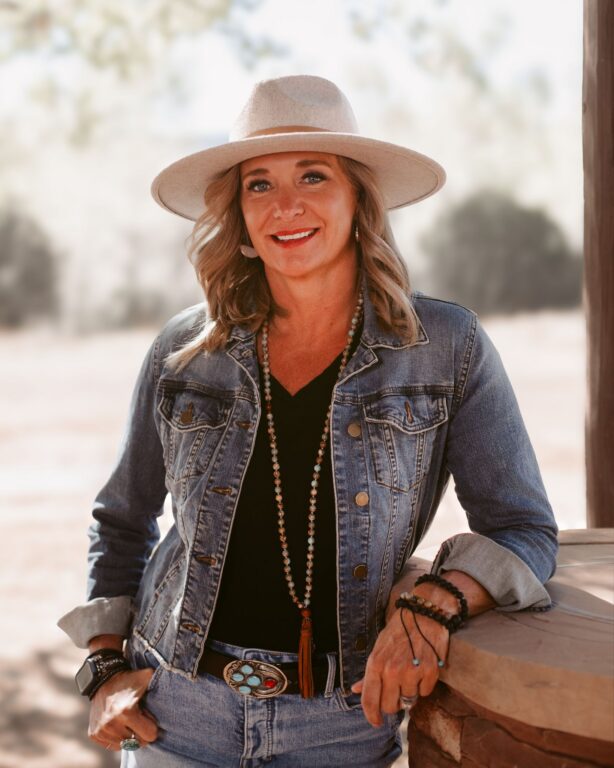
Work Should Fuel the Human Spirit Not Drain It
Angie Lion · RizeX Monthly Mastermind · May 2026 · Eastern Idaho
Most leaders want engaged people, and most leaders accidentally manage it out of them. At May’s RizeX Mastermind, Angie Lion of Black River Performance Management walked the room through a five-stage engagement model for anyone trying to improve employee engagement. She backed it with a number no business owner can ignore: an estimated $8.8 trillion lost to disengagement.
Quiet quitting has a name now, but the problem is older than the phrase: people who still show up and clock in, but have stopped caring. For small teams across Eastern Idaho, every disengaged person is felt, both on the bottom line and in the room. Angie’s point was that engagement isn’t a perk or a personality trait. It’s human behavior, and leaders shape it every day.
What Angie covered
Two lenses before you start. Angie opened by asking the room to think about a time they felt more managed than engaged, and then to look at how they show up for their own people. “No judgment with yourself,” she said. The goal is to spot opportunities, not to feel guilty. She was clear that the model works well beyond employees: in nonprofits, community groups, and even at home.
Why engagement pays. Engaged employees are less likely to leave, more productive, and better for sales, customer ratings, and profitability. Connected employees are 68% less likely to feel burned out. That makes engagement a well-being issue as much as a financial one. Black River’s belief, in Angie’s words: “We want to make work not suck.”
The engagement model: five stages. The model is proprietary to Black River, which is in the process of trademarking it. It moves people from managed to empowered, from obligation to ownership, and from burnout to belonging. The first two stages belong to the leader. Once those are done well, the last three grow on their own.
- Include. “People support what they help create.” Bring everyone affected to the table early, including new hires with fresh eyes and, when it makes sense, the customers a decision will affect. The pitfall is commanding the process by delegating instead of facilitating it. Ask yourself: Who needs to be at the table for this?
- Involve. Engagement grows when people get meaningful responsibility. That means knowing your team’s strengths well enough to say, “I think you’d be good at this, and here’s why.” Instead of assigning tasks, let people sign up for them from a menu. The pitfall is leaders taking on too much themselves. Ask: Am I allowing space for other people to lead?
- Initiative. Once people have been included and involved, they’re ready to own the work. The leader’s job becomes removing barriers and allowing autonomy. The pitfall runs in both directions: being absent (“sink or swim”) or micromanaging. Ask: Am I removing obstacles, or creating them?
- Influence. Committed team members start holding each other accountable, and that peer influence is stronger than top-down enforcement. The pitfall is the leader stepping in as the savior, which never teaches the team to have hard conversations. Ask: How can I support a culture where accountability is shared?
- Identify. At its peak, engagement becomes identity. People see themselves as part of something bigger and become champions for it. Ask: Do people have a true sense of belonging here?
What the room walked away with
Everyone left with a cheat sheet that walks through the five stages, along with the key questions to ask at each one. Angie also pointed people to a free downloadable book on the Black River Performance Management website for a deeper look at their models. Her closing challenge was to pick one area of your life where engagement is lacking, whether that’s a team, a board, a volunteer group, or a teenager’s chore list, and run it through the steps. “Don’t print it off Pinterest and tell them what they’re doing,” she said. “Involve them in the process.”
For leaders thinking about employee retention and workplace culture, the biggest shift is this: the job isn’t to delegate more. It’s to facilitate better.
A moment that landed
Where does the free T-shirt end up? Angie asked the room about the giveaway shirts you get from a bank or credit union at an ISU or Boise State tailgate. The answers came fast: DI, rags, paint shirts, sleep shirts, the back of the closet. Then she flipped the question around. Would you pay for a jersey from a team you love? Would you buy a RizeX hoodie and wear it outside of events? That’s the difference, she said. Swag builds awareness. Identity is when people are proud enough to buy the gear themselves, and tell everyone why they belong.
“We believe work should fuel the human spirit, not drain it.” — Angie Lion
“Sometimes it’s slowing down to be able to speed up.” — Angie Lion
About Angie
Angie Lion is co-founder of Black River Performance Management, an Idaho-based consulting firm that helps organizations build culture and understand their people so the business can flourish. She brings a background in learning and development, is certified in several personality assessments, and hosts the Leader U podcast. As a returning RizeX speaker, she knows this room, and she knows that a small team is only as strong as how engaged each person feels.
Join us next month
The RizeX Monthly Mastermind meets every month in Eastern Idaho. It’s an intimate gathering of local business owners, entrepreneurs, and professionals committed to real growth. The RizeX Mastermind in Idaho Falls is where Eastern Idaho business leaders swap real challenges around the table, not just business cards. Every event features a speaker who’s in the trenches alongside you, plus time for meaningful conversation and connection.
Reserve your seat at the next RizeX Mastermind ?